Ishraqat Ahd Art Forum
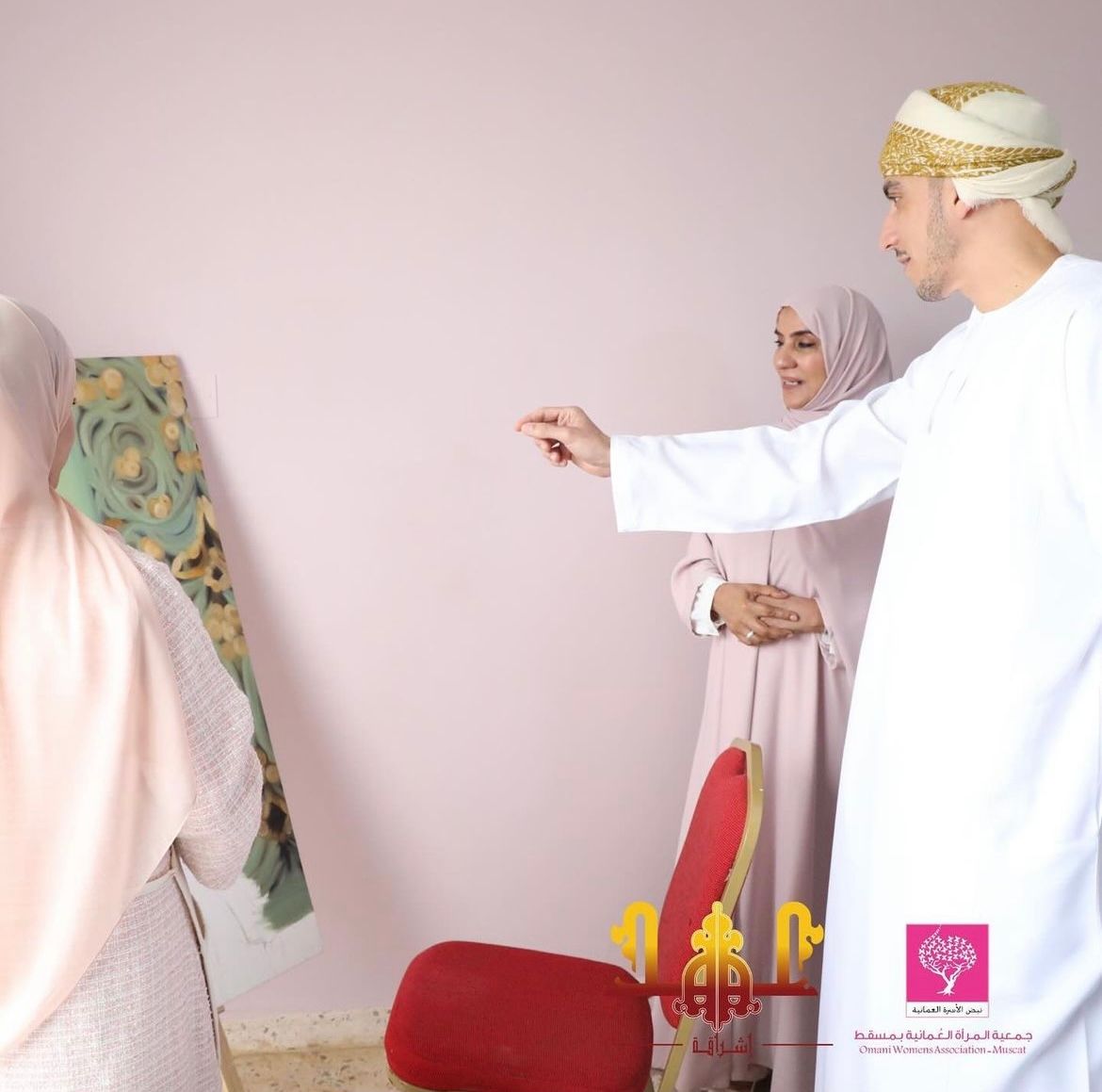
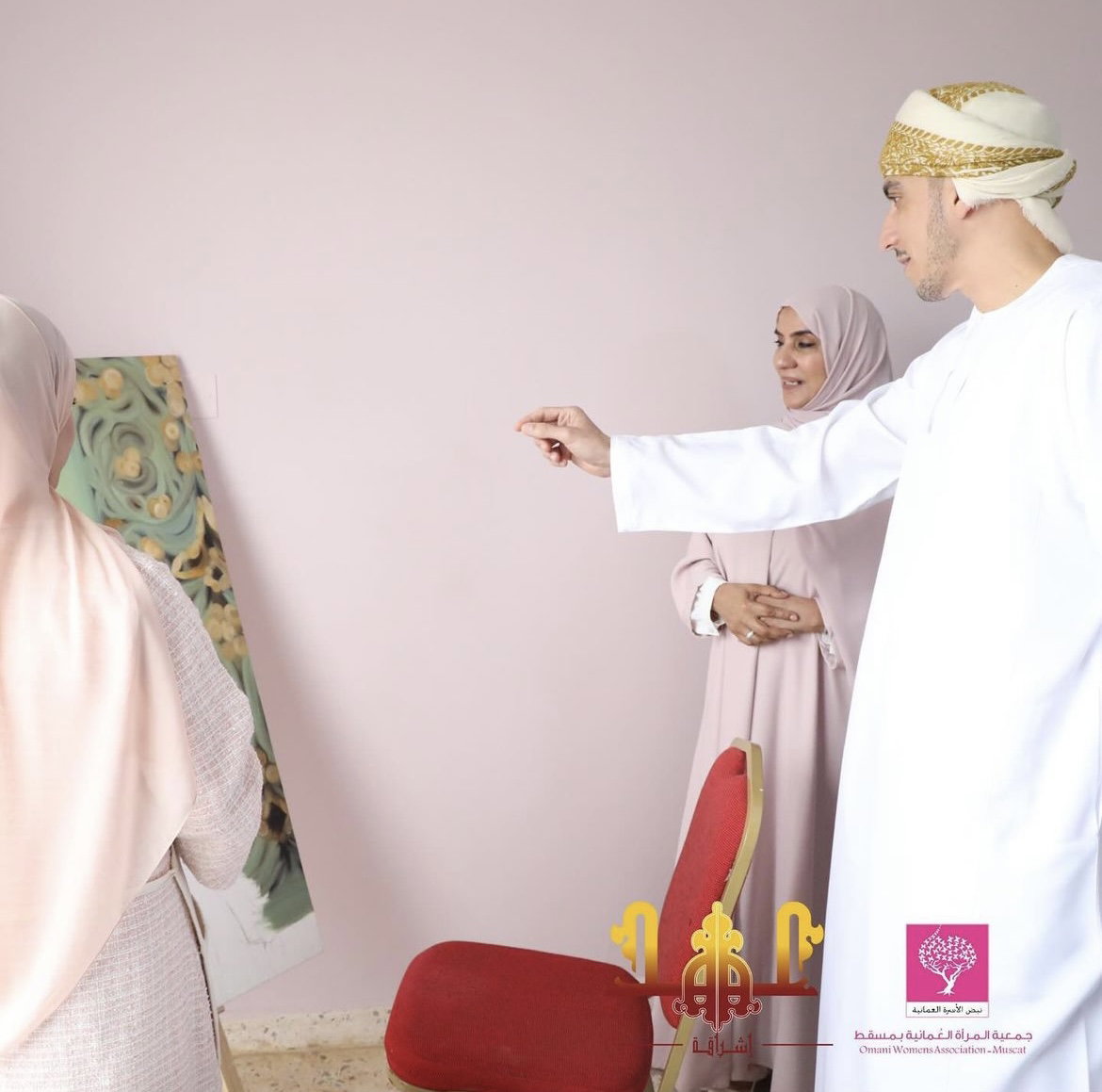
The 'Ishraqat Ahd' Art Forum was a national visual arts initiative organized by the Ministry of Culture, Sports and Youth in collaboration with the Omani Women’s Associations across the Sultanate of Oman, in tribute to Her Highness Sayyida Ahad bint Abdullah Al Busaidiyah.
Spanning 40 days, the forum brought together artists to create original artworks within dedicated workshop spaces before presenting them in a concluding exhibition, where the works were evaluated by a specialized jury.
The forum culminated in an official closing ceremony at the Royal Opera House Muscat, underscoring its significance as a cultural initiative dedicated to supporting and advancing .the visual arts in the Sultanate of Oman
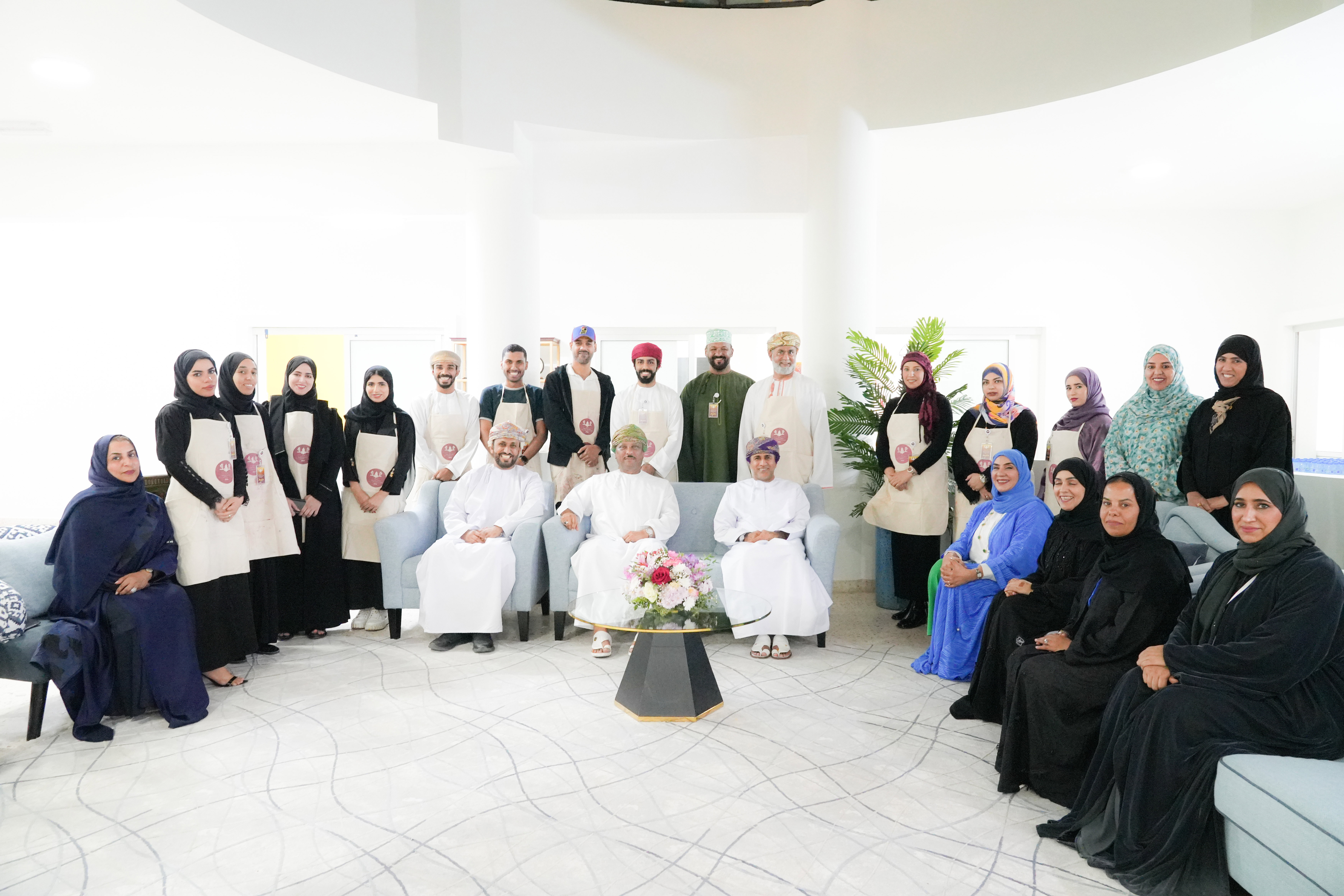
Shatha Al Hsani was selected to participate in the Ishraqat Ahd Art Forum, a national visual arts initiative that brought together 200 artists from across the Sultanate of Oman. The forum celebrated Omani cultural identity through contemporary artistic expression, providing a platform for artists whose works demonstrated both technical excellence and conceptual depth.Following the official evaluation process, her artwork advanced to the final exhibition, where only 64 artworks were selected for public display, marking an important milestone in her artistic career.
Artwork
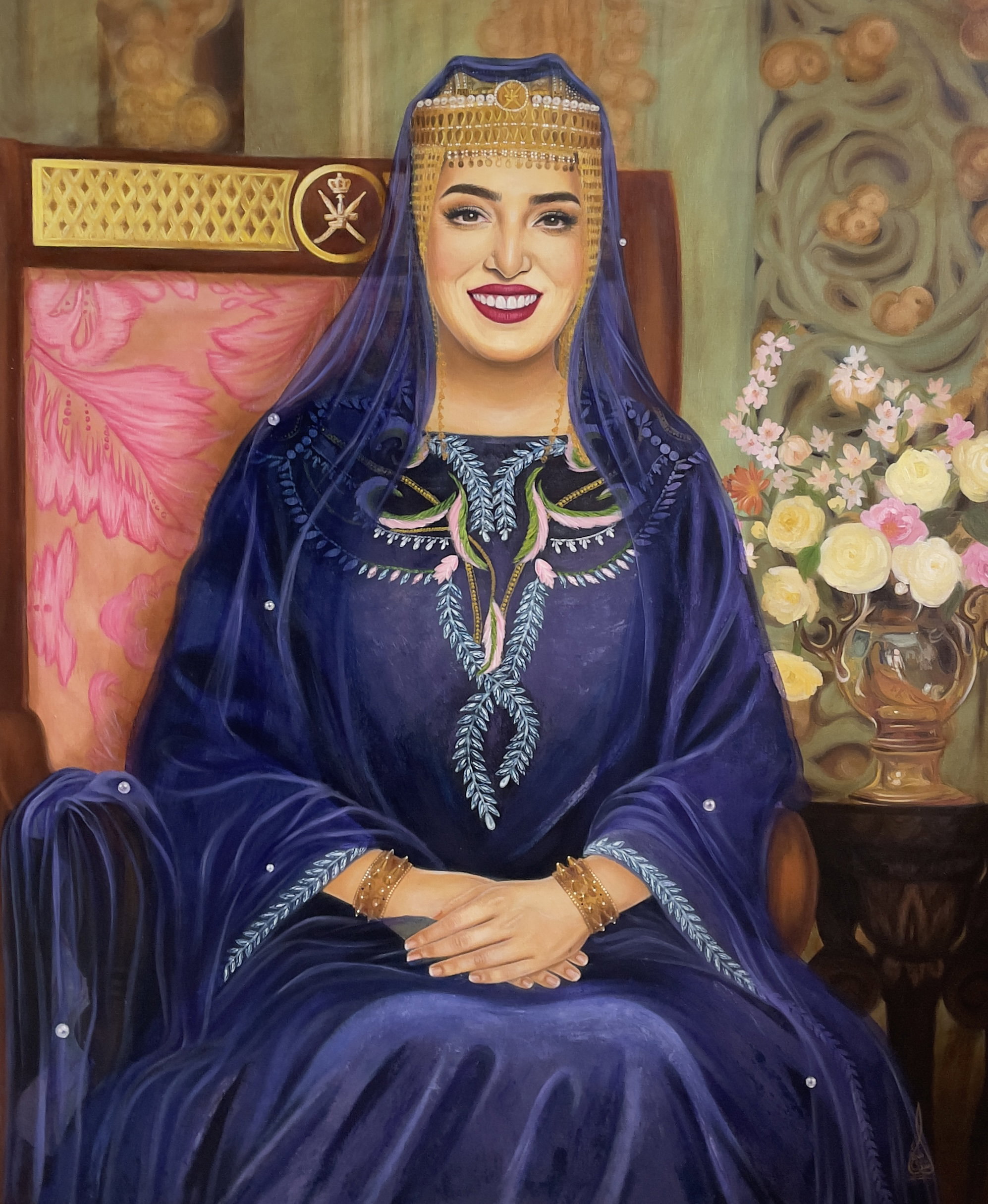
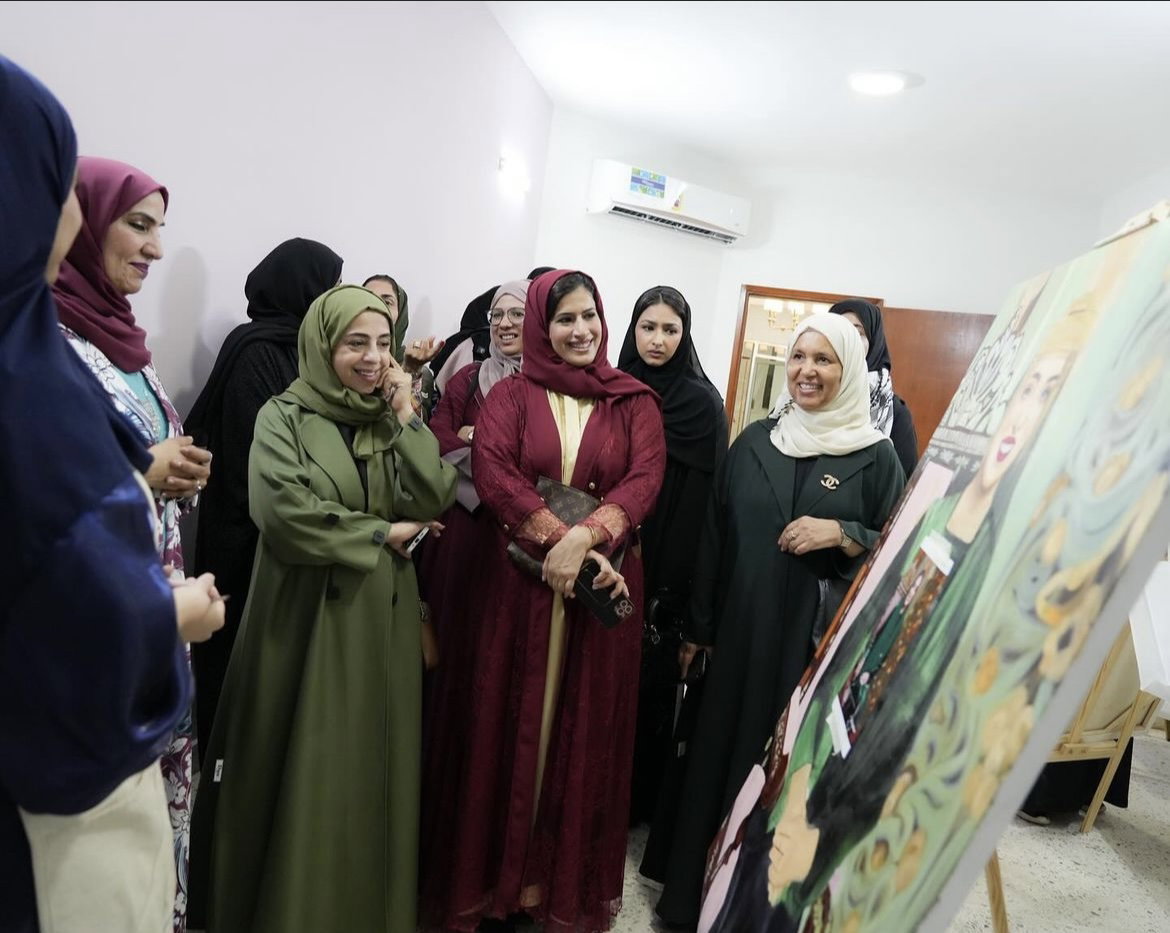
For this exhibition, Al Hsani presented a portrait of Her Highness the Honourable Lady, developed through an extensive process of visual research and conceptual exploration. Rather than producing a conventional likeness, the work sought to interpret identity through symbolism, composition, and cultural narrative, transforming portraiture into a contemporary artistic statement.
Artistic Concept
Every element of the composition was deliberately conceived to communicate meaning.The Dhofari dress was selected as a symbol of Omani authenticity, representing one of the Sultanate’s most distinguished cultural garments and reflecting the richness of its heritage.The colour palette centred on a deep blue infused with violet, chosen to evoke elegance, dignity, and royal refinement while reinforcing the distinguished presence of Her Highness.A bespoke ceremonial headpiece was designed exclusively for the artwork by Al Hsani. Inspired by the form of a queen’s crown, the design incorporated pearls, diamonds, and the Royal Emblem of the Sultanate of Oman, creating a contemporary symbol that honoured both national identity and the esteemed status of Her Highness.The subject’s body language was equally intentional. Every gesture, posture, and facial expression was carefully composed to communicate serenity, confidence, grace, and regal authority, allowing the portrait to express character as much as physical appearance.Following the completion of the painting, Her Highness made her first official appearance wearing the Dhofari dress, revealing a remarkable visual correspondence with Al Hsani’s artistic vision. This convergence highlighted the depth of the artist’s research and her ability to translate cultural identity into a refined visual language.
Selection Process
Among 200 participating artists, Al Hsani’s work progressed through the forum’s evaluation process to become one of only 64 artworks selected for exhibition. This recognition reflected the strength of both the artistic concept and the execution of the work.
Official Opening
The exhibition officially opened in the presence of participating artists, cultural leaders, and distinguished guests. Al Hsani attended the opening ceremony as one of the exhibiting artists, presenting her work within a national cultural platform
Distinguished Visitors
Throughout the exhibition, the forum welcomed numerous distinguished visitors, including Al Sayyida Ma’ani bint Abdullah Al Busaidiyah, sister of Her Highness the Honourable Lady, alongside ministers, senior government officials, artists, curators, art critics, and leading figures from Oman’s cultural community. Their presence reflected the national significance of the forum and its role in promoting artistic excellence and cultural dialogue.
Closing Ceremony
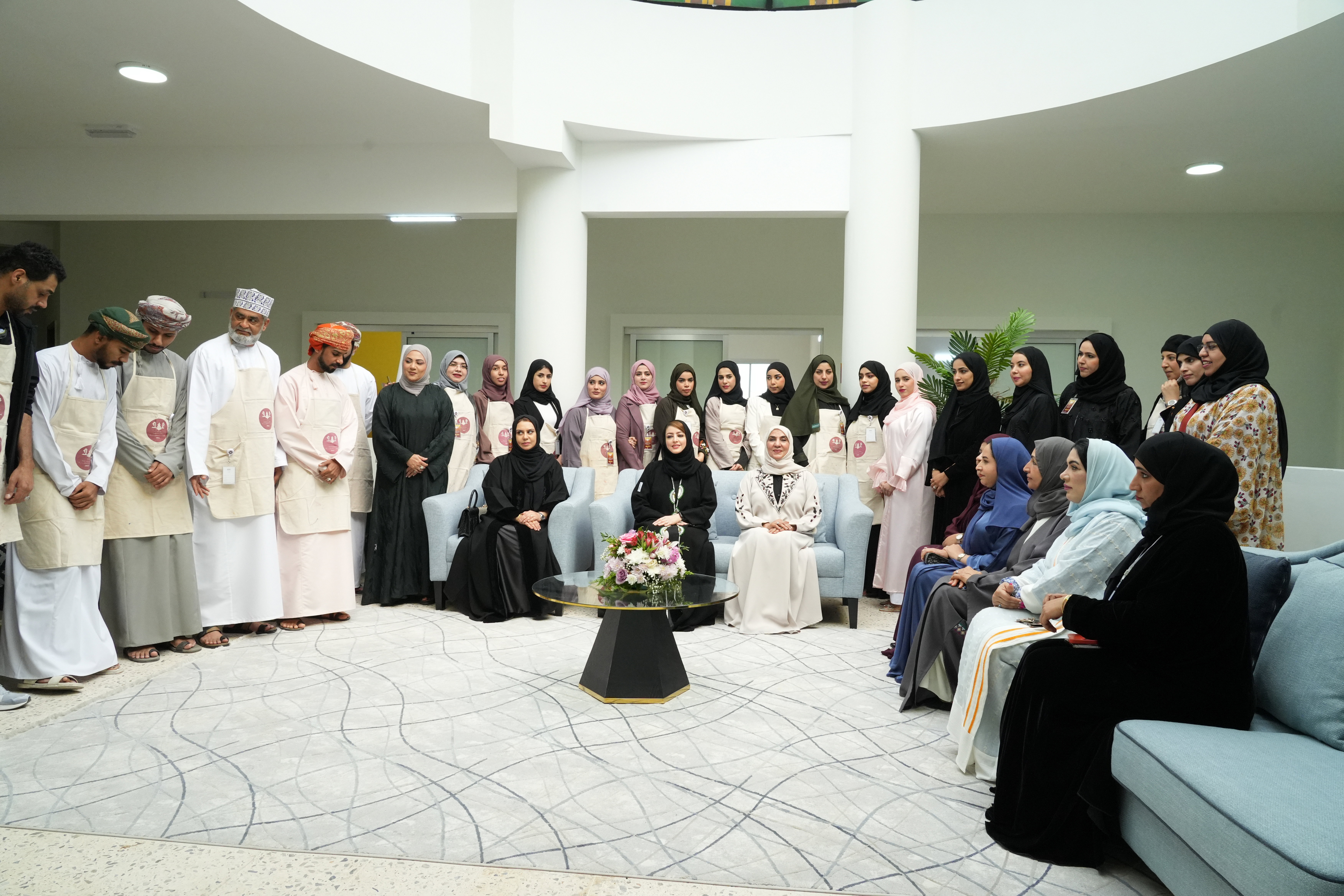
The Ishraqat Ahd Art Forum concluded with an official ceremony held at the Royal Opera House Muscat under the patronage of Her Excellency Dr. Laila bint Ahmed Al Najjar, Minister of Social Development, and attended by His Excellency Basil bin Ahmed Al Rawas, Undersecretary of the Ministry of Culture, Sports and Youth for Sports and Youth. The closing ceremony reflected the Sultanate of Oman’s enduring commitment to supporting the visual arts, empowering artists, and strengthening the role of culture in preserving and celebrating the nation's cultural identity .
Curatorial Note
The Ishraqat Ahd Art Forum represents a defining chapter in Shatha Al Hsani’s artistic practice. The project exemplifies her research-led methodology, where each artwork begins with observation, cultural investigation, and conceptual development before the first brushstroke is applied. Through this approach, portraiture becomes more than representation—it becomes an exploration of identity, heritage, and the enduring dialogue between tradition and contemporary visual art.